Related articles

Experts share their insights on different health topics and how comprehensive healthcare solutions can treat different conditions to improve patient health.

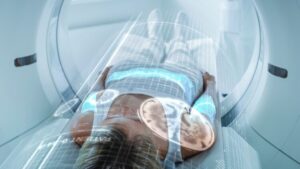
Computed tomography (CT scan) as a cancer diagnostic tool

Computed tomography (CT scan), also called computerized axial tomography (CAT scan), is a powerful diagnostic tool commonly used to detect and evaluate cancer. CT scans combine X-ray and computer technology to create detailed cross-sectional images of the body, allowing health care professionals to visualize tumors, abnormalities and other changes in tissues and organs. This article will explore how a CT scan works, its role in cancer diagnosis, its advantages, limitations, and what to expect during the test.

Read More »

Ultrasound scans as cancer diagnostic tool

Ultrasound imaging, also called ultrasound, is a widely used diagnostic tool that helps detect and diagnose various health conditions, including cancer. This non-invasive and safe technology uses high-frequency sound waves to produce images of the body’s internal structures. It is frequently used for imaging soft tissues and organs, and is particularly useful for detecting and monitoring certain types of cancer. This article will explore how ultrasound scanning works, its advantages and limitations, and its use as a cancer diagnostic tool.

Read More »

X-ray scans: as a cancer diagnostic tool

Cancer diagnosis often requires a variety of imaging tests, and one of the most common and widely used tools is X-ray scanning. X-rays are a type of electromagnetic radiation that can penetrate the body to produce images of internal structures, allowing medical staff to identify potential abnormalities and diagnose a variety of diseases, including cancer. This article will explore how X-rays work, its role in cancer diagnosis, its advantages, limitations, and what to expect during an X-ray scan.

Read More »

What is naturopathy

Naturopathy, also known as natural medicine, is a holistic medical approach that emphasizes prevention, natural therapy and the body’s ability to heal itself. Unlike traditional medicine, which often treats symptoms with drugs or surgery, naturopathic medicine focuses on addressing the root cause of health problems and restoring balance to the mind, body, and soul. By combining a variety of natural therapies and lifestyle adjustments, naturopathic medicine aims to promote health, prevent disease, and provide patients with personalized optimal health care.

Read More »

Cervical cancer screening: Learn about Pap smears and HPV testing

Cervical cancer screening is essential for early detection and prevention of cervical cancer. By detecting abnormal cell changes or the presence of high-risk human papillomavirus (HPV), these screenings enable early intervention and treatment. The two main methods of cervical screening are Pap Smear and HPV testing. This article explains what these tests involve, how they are performed, and why they are important in women’s health.

Read More »

Complementary and Alternative Therapies for Cancer

Cancer treatment often includes traditional methods such as surgery, chemotherapy, and radiation therapy. However, many patients also seek complementary and alternative therapies (CAT) to support overall health, alleviate treatment side effects, and improve quality of life. This article explains what these therapies are, how they differ from each other, and the role they play in cancer care.

Read More »

Functional Medicine and Cancer: How It Helps Cancer Patients

Cancer is a complex and diverse disease that affects millions of people worldwide. With the advancement of medical science, traditional treatment methods such as surgery, chemotherapy and radiotherapy have always been the main means of treating and managing cancer. However, functional medicine, as an emerging field, offers a complementary approach to cancer care that focuses on the patient’s overall health and addresses the root causes of health problems. This article will explore how functional medicine can help cancer patients, improve their quality of life, and potentially improve their outcomes.

Read More »

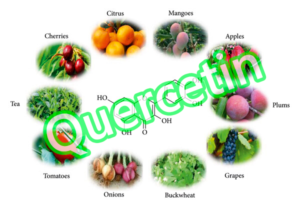
Quercetin and its effects on cancer: a promising natural treatment

Quercetin, a flavonoid found naturally in a variety of fruits, vegetables, and grains, has received widespread attention for its potential health benefits, particularly in cancer prevention and treatment. Due to its powerful antioxidant, anti-inflammatory and anti-carcinogenic properties, quercetin is considered a promising compound in cancer treatment. This article will explore the mechanisms by which quercetin combats cancer and highlight its potential in prevention and treatment.

Read More »

Soy isoflavone Genistein and its impact on cancer: a potential natural adjunct therapy in cancer treatment

Genistein, a naturally occurring isoflavone found primarily in soybeans and other legumes, has received widespread attention in recent years for its potential role in cancer prevention and treatment. As a phytoestrogen, Genistein regulates various cellular processes associated with cancer development, including cell proliferation, angiogenesis, and apoptosis. This article will explore how Genistein affects cancer and its potential to support traditional cancer treatments.

Read More »

Thymosin and its impact on cancer: a promising area in immune-adjuvant therapy

In the ever-evolving field of cancer treatment, researchers are constantly looking for new ways to improve patient outcomes. One emerging area of ​​research is thymosin, a naturally occurring peptide that has profound effects on the immune system. This article will provide an in-depth look at the role of thymosin, its potential impact on cancer, and how it can be integrated into cancer treatment strategies.

Read More »