
Cerebrolysin and Stroke Recovery
Stroke recovery is a process that requires time and continuous effort. This article provides important information on stroke recovery from the perspective of patients and caregivers, including the application of Cerebrolysin, the recovery window of opportunity, and a compilation of 100 frequently asked questions, helping readers gain a more comprehensive understanding of post-stroke health management strategies.
Stroke Recovery Support
24–72 Hours
An important period when early assessment and intervention are recommended
3–6 Months
The golden recovery period when neuroplasticity is more active
10–21 Days
Reference duration commonly used for Cerebrolysin application
100 Q&A
A collection of the most frequently asked questions from patients and caregivers
What Is a Stroke?
A stroke (also known as a cerebrovascular accident, or CVA) occurs when the blood supply to the brain is suddenly interrupted or when a blood vessel ruptures, causing damage to brain tissue. Because brain cells are highly sensitive to oxygen deprivation, any disruption in blood flow may affect mobility, speech, cognitive function, and the ability to perform daily activities.
Strokes can generally be classified into ischemic stroke and hemorrhagic stroke, with ischemic stroke accounting for the majority of cases. Early recognition of symptoms, prompt medical evaluation, and appropriate rehabilitation support are important factors in the recovery process.
The Golden Recovery Period After Stroke
Research suggests that during the first few weeks to months following a stroke, the brain’s neural networks retain a relatively high degree of neuroplasticity. This period is often regarded as a critical stage for recovery. Combined with medical monitoring, rehabilitation training, and personalized support strategies, recovery potential may be enhanced.
24–72 Hours
Early Assessment Phase
1–4 Weeks
Acute Recovery Phase
3–6 Months
Active Neuroplasticity Phase
6 Months+
Ongoing Improvement and Follow-Up
What Is Cerebrolysin?
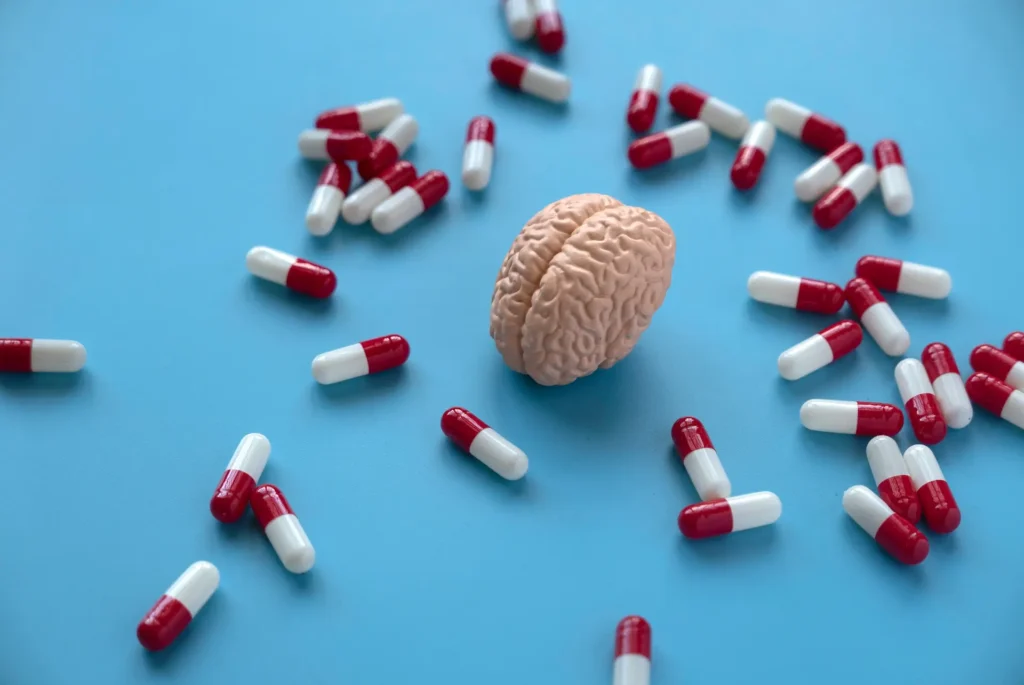
Cerebrolysin is a preparation containing neuropeptides and amino acids that has been used in neurological support programs in various regions across Asia and Europe.
Its concept is primarily based on mimicking certain functions of naturally occurring neurotrophic factors, supporting the maintenance of the neuronal environment, neural network reorganization, and functional recovery processes.
Some studies suggest that, when used under physician assessment and in conjunction with rehabilitation programs, it may serve as one component of a comprehensive management strategy during stroke recovery.
Potential Support Mechanisms of Cerebrolysin
Neuroprotection
Supports the stability of the neuronal environment and helps reduce the impact of external stressors on cells.
Neural Repair
Supports neural network reorganization and the formation of connections between cells.
Antioxidant Support
Helps maintain cellular environmental balance.
Neuroplasticity
Supports the brain’s ability to reorganize functions and may complement rehabilitation training.
100 Frequently Asked Questions (FAQ)
The following section compiles the questions most commonly raised by patients and caregivers. Topics include basic stroke knowledge, the recovery process, the application of Cerebrolysin, lifestyle management, and long-term follow-up.
Questions 1–20: Basic Knowledge About Stroke
1. What is a stroke?
2. What are the different types of stroke? What is the difference between ischemic and hemorrhagic stroke?
3. What are the common signs and symptoms of stroke?
4. Is stroke common in Hong Kong?
5. What is the difference between a transient ischemic attack (TIA) and a stroke?
6. What changes occur in the brain after a stroke?
7. Can a stroke cause permanent effects?
8. Can young people have a stroke?
9. How does hypertension increase the risk of stroke?
10. Is diabetes related to stroke?
11. Are there warning signs before a stroke?
12. Are there differences in stroke risk between women and men?
13. What should be done immediately after a stroke occurs?
14. How are stroke patients typically cared for in Hong Kong?
15. What additional support can private healthcare provide?
16. Is the recurrence rate of stroke high?
17. Is stroke related to heart disease?
18. Does high cholesterol increase stroke risk?
19. Can stress affect the risk of stroke?
20. Is it normal to feel emotionally low after a stroke?
Questions 21–40: Introduction and Applicability of Cerebrolysin
21. What is Cerebrolysin?
22. How does Cerebrolysin support stroke recovery?
23. Is it suitable for all stroke patients?
24. How is Cerebrolysin different from rehabilitation?
25. When is the ideal time to start use?
26. Can it be combined with rtPA and similar therapies?
27. How is Cerebrolysin administered?
28. Is hospitalization required?
29. Does it help upper limb recovery?
30. Can it be combined with speech therapy?
31. Does it support cognitive function?
32. How is it different from other neurological support options?
33. Is Cerebrolysin a Western medicine?
34. Is it available in Hong Kong?
35. What should be checked before use?
36. Is it suitable for elderly patients?
37. Can it reduce the risk of cognitive decline?
38. Is it suitable for mild stroke cases?
39. Can it be considered for severe stroke cases?
40. Can it be combined with other integrative health management plans?
### Questions 41–50: Treatment, Dosage and Usage Information
41. How long does a Cerebrolysin treatment course usually last?
42. What is the daily dosage?
43. Is intravenous infusion painful?
44. What is the cost in Hong Kong?
45. How soon can changes be observed?
46. What are the common side effects?
47. Can allergic reactions occur?
48. Can patients with impaired kidney function use it?
49. Does it interact with other medications?
50. Can patients go home after the infusion?
Questions 51–60: Treatment Duration and Monitoring
51. Is regular follow-up required during the treatment period?
52. How is treatment progress evaluated?
53. Are imaging examinations required during the treatment period?
54. Can physical therapy be performed during the treatment period?
55. Is occupational therapy recommended?
56. Can patients exercise during the treatment period?
57. Are dietary adjustments necessary?
58. Does sleep quality affect recovery?
59. How can family members support the patient?
60. Is continued follow-up needed after completing the treatment?
Questions 61–80: Stroke Recovery Process and Timeline
61. When does recovery begin after a stroke?
62. What is the “golden recovery period” after stroke?
63. Can improvement still occur after six months?
64. Is there still recovery potential after one year?
65. How long does hand weakness take to improve?
66. How long does it take to recover leg strength?
67. Can speech function recover?
68. How long does swallowing recovery take?
69. Can cognitive function improve after impairment?
70. Is memory decline common after stroke?
71. Can walking instability improve?
72. Is shoulder pain normal after stroke?
73. Will muscle stiffness persist?
74. How long does post-stroke fatigue last?
75. Are emotional fluctuations normal after stroke?
76. How can I know if recovery progress is ideal?
77. What is a rehabilitation plateau?
78. Does age affect stroke recovery?
79. Can the brain re-establish neural connections?
80. How can recovery outcomes be improved?
Questions 81–100: Lifestyle Adjustment, Prevention and Support
81. Does diet need to be changed after a stroke?
82. Should salt intake be controlled?
83. Can alcohol be consumed after a stroke?
84. Does smoking increase the risk of recurrent stroke?
85. When can a person drive after a stroke?
86. Is air travel possible after a stroke?
87. Can a person return to work after a stroke?
88. How can the risk of another stroke be reduced?
89. How important is blood pressure control?
90. How long is blood sugar management needed?
91. Are regular health check-ups necessary?
92. How can family members provide emotional support?
93. What should be done if a patient feels emotionally low?
94. Are support groups helpful?
95. Do stroke patients require long-term care?
96. How can quality of life be improved?
97. Does the home environment need modification?
98. How can falls be prevented?
99. Is lifelong follow-up necessary after stroke?
100. What is the most important factor in stroke recovery?
Learn More About Stroke Recovery Support Options
Every stroke recovery journey is different. Through professional assessment, personalised health management, and multidisciplinary support options, patients and families can better plan a suitable recovery pathway. If you would like to learn more about Cerebrolysin, neurological health support programmes, or other stroke recovery-related information, please feel free to contact the BMS Clinic team.
References
| Source | Focus Area |
|---|---|
| European Stroke Organisation | Stroke rehabilitation guidelines |
| World Stroke Organization | Global stroke recovery information |
| American Stroke Association | Stroke recovery resources |
| Cerebrolysin Clinical Publications | Neurorecovery research |