Related articles

Experts share their insights on different health topics and how comprehensive healthcare solutions can treat different conditions to improve patient health.

Different Constitutions, Different Choices: How to Find the Right Nutritional Support?

In cancer recovery and supportive care, nutrition is more than just replenishing nutrients — it plays a strategic role in the body’s healing process. Tailoring the type and dosage of nutrients based on an individual’s constitution and physiological response can significantly enhance quality of life, treatment tolerance, and immune function. Studies have shown that nutritional intervention may reduce systemic inflammation and support better therapeutic outcomes .

Read More »

The Key to Cancer Care: Finding the Right Approach for Your Personal Needs

In the process of cancer care, more and more patients are seeking additional methods, alongside conventional medical treatments, to help boost energy levels and adjust their physical and mental state. Whether through diet, nutritional supplementation, or lifestyle changes, many people hope to find a method that aligns more closely with their individual needs throughout their care journey.

Read More »

The Rising Trend of Cancer in Younger Populations: The Crucial Role of RGCC Personalized Cancer Testing

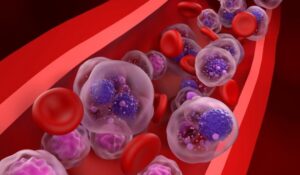
In recent years, the incidence of cancer among younger populations has been increasing at an alarming rate. More individuals in their 20s, 30s, and 40s are being diagnosed with various forms of cancer. Factors such as lifestyle changes, environmental pollution, chronic stress, and genetic predisposition are contributing to this trend. However, conventional cancer screening methods are primarily designed for older adults, leaving younger individuals without regular early detection opportunities. As a result, cancers in younger patients are often diagnosed at later stages, reducing the chances of successful intervention. RGCC personalized cancer testing offers a groundbreaking solution by detecting circulating tumor cells (CTCs) and cancer stem cells (CSCs) in the blood, allowing for early detection and providing personalized care strategies. This advanced technology is particularly valuable for younger populations, enabling proactive cancer prevention, early intervention, and tailored management plans.


Read More »

Cancer Care Decision Dilemma: The Value Exploration of Onconomics Plus Integrated Analysis

In the process of cancer care, formulating a precise and personalized care plan has always been a major challenge. Traditional imaging and tumor marker tests are commonly used but often fail to comprehensively reflect the real-time dynamics and microscopic biological characteristics of tumors. With rapid advancements in liquid biopsy and genetic testing technologies, RGCC’s Onconomics Plus integrated analysis provides richer and more accurate data to support personalized care decisions, enabling healthcare teams to adjust care plans in a timely manner and ultimately improve patient prognosis and quality of life.

Read More »

Nursing Gaps in Cancer Patient Care: Clinical Significance of Circulating Tumor Cell Dynamic Monitoring

In the care process of cancer patients, there is often a gap period between initial treatments (such as surgery, chemotherapy, or radiotherapy) and regular follow-up visits. During this time, patients may not exhibit obvious symptoms, but residual or newly-formed tumor cells may persist, posing a risk of recurrence or metastasis. Traditional imaging techniques (such as CT or MRI) have limited sensitivity in detecting small lesions. Therefore, dynamic monitoring of micro-residual cancer cells during these gaps is crucial.

Read More »

Challenges in Early Liver Cancer Screening: How RGCC Personalized CTC Testing Supports Patients in Hong Kong?

Hong Kong has one of the highest liver cancer incidence rates globally, largely due to chronic hepatitis B virus (HBV) infection, alcohol consumption, and fatty liver disease. However, early-stage liver cancer often presents no obvious symptoms, leading to late diagnoses when treatment options become more limited. This makes a highly sensitive and convenient early detection method crucial.

Read More »