Related articles

Experts share their insights on different health topics and how comprehensive healthcare solutions can treat different conditions to improve patient health.

Why Do Cancer Patients Use IV Albumin Therapy?

Albumin is a crucial protein in the blood that plays a vital role in maintaining oncotic pressure, transporting nutrients, and supporting immune function. Intravenous (IV) albumin therapy is often used in cancer patients who experience hypoalbuminemia (low albumin levels) due to malnutrition, chronic inflammation, or cancer-related cachexia. This article explores the scientific mechanisms, clinical evidence, and therapeutic benefits of IV albumin therapy in cancer care.

Read More »

Why Do Cancer Patients Do IV High-Dose Vitamin C?

In the realm of integrative oncology, intravenous (IV) high-dose vitamin C (HDIVC) has gained attention as a complementary treatment for cancer patients. Unlike oral vitamin C, which has limited absorption due to gastrointestinal regulation, IV administration allows for significantly higher plasma concentrations, potentially exerting pro-oxidant effects against cancer cells. But what does the science say? This article delves into the scientific rationale, clinical evidence, and potential benefits of HDIVC for cancer patients.

Read More »

RGCC Personalized Plan Development: Adjusting Based on Care Stages

In the process of cancer care and rehabilitation, developing personalized care plans is crucial to improving the patient’s quality of life and care effectiveness. With the advancement of medical technology, especially the introduction of RGCC (Research Genetic Cancer Centre) technology, the development of personalized care plans is no longer a simple empirical judgment, but is tailored based on the patient’s specific condition, genetic characteristics, immune status and other factors. Flexible adjustment of care plans and care measures according to the needs of patients at different stages of care can help maximize care effectiveness and reduce side effects.

Read More »

Genetic High-Risk Populations: The Special Value of Early Screening

For individuals with a genetic high-risk profile, early cancer screening is key to detecting potential cancer risks at an early stage. Especially for populations with genetic susceptibility, early detection and timely intervention can significantly improve the chances of successful treatment. With advancements in technology, Onco-D-clare has become an effective tool for screening genetic high-risk populations, capable of accurately detecting potential cancer risks and providing personalized care plans.

Read More »

Cancer Signs and Symptoms

Cancer is a disease that can affect any part of the body, and early detection is crucial for successful treatment. Understanding the common signs and symptoms of cancer can help individuals seek medical attention promptly, leading to early diagnosis and better treatment outcomes. While symptoms vary depending on the type and stage of cancer, there are general warning signs that should not be ignored.

Read More »

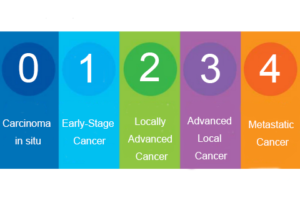
How is Cancer Staged? A Simple Guide from Stage 0 to Stage 4

When doctors diagnose cancer, they classify it into different stages to determine the tumor’s size, spread, and severity. Cancer staging not only helps in deciding the best treatment plan but also in predicting survival rates. Below is a detailed explanation of cancer stages from Stage 0 to Stage 4 in a simple and easy-to-understand way.

Read More »

Introduction to Cancer Treatment Methods

Cancer treatment methods continue to advance with medical research and technological development, covering traditional therapies, emerging technologies, adjunct therapies, and personalized medicine. This guide provides a comprehensive overview of cancer treatment, supported by scientific research, to assist patients and healthcare professionals in formulating optimal treatment strategies.

Read More »

Heavy Metal Testing Frequency Recommendations: Monitoring Plans for Different Risk Groups

With the increasing environmental pollution, the accumulation of heavy metals poses a potential health threat. Heavy metals such as lead, mercury, cadmium, and arsenic enter the human body through air, water, soil, and food, causing damage to multiple organ systems, especially affecting the endocrine, immune, and nervous systems. To effectively prevent heavy metal poisoning, regular testing has become an essential part of health management. Different risk groups should undergo reasonable heavy metal testing based on their exposure levels to achieve optimal health monitoring results.

Read More »

Recovery Period Management: Monitoring Frequency for Preventing Recurrence

After completing cancer care, patients enter the recovery period, but this phase is not foolproof. Although care has ended, the risk of cancer recurrence still exists. Therefore, managing and continuously monitoring the recovery period is crucial. The frequency of monitoring will vary depending on the patient’s specific situation, cancer type, and individual health condition. Through regular monitoring, the medical team can detect potential signs of recurrence early and adjust care plans promptly to reduce the risk of recurrence and promote long-term recovery.

Read More »

Adjustment in Care: Optimizing Personalized Care Plans Guided by Testing Data

In cancer care, adjusting care plans becomes crucial as a patient’s condition changes. With the advancement of modern care testing technologies, the care team can monitor the patient’s health status and response to care in real-time, adjusting the care plan promptly based on the testing data to achieve optimal outcomes. These testing data not only provide specific information regarding tumor progression but also help the care team understand the patient’s immune status, metabolic features, and other key indicators, thus enabling precise and personalized care.

Read More »