Cancer Patients’ Common “Post-Treatment Skin Changes and Sensitivity” — How to Understand and Cope
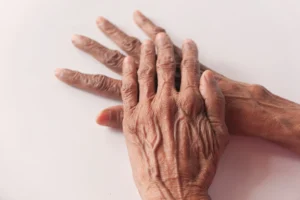
After treatment ends, many patients discover their skin condition has changed completely from before: dryness, peeling, redness, itching, pigmentation, and even minor friction can cause easy breakage or inflammation. These changes not only affect appearance but also bring discomfort and emotional stress. Medically, this is often referred to as “Treatment-Related Dermatologic Toxicity and Chronic Skin Changes.” It is not simply “dry skin” or “allergy,” but the long-term impact of chemotherapy, radiotherapy, targeted therapy, or hormone therapy on the skin barrier, pigment cells, and blood vessels. Breast cancer, lung cancer, colorectal cancer, head and neck cancer, and melanoma patients are particularly prone to these issues, and symptoms often persist for months to years — one of the most common and quality-of-life-impacting long-term side effects after treatment.