Exploring the Auxiliary Role of CTC Detection in Observing Bone Metastasis in Cancer
Exploring the Auxiliary Role of CTC Detection in Observing Bone Metastasis in Cancer Exploring the Auxiliary Role of CTC Detection in Observing Bone Metastasis in

Exploring the Auxiliary Role of CTC Detection in Observing Bone Metastasis in Cancer Exploring the Auxiliary Role of CTC Detection in Observing Bone Metastasis in

Malnutrition is a common yet often overlooked concern in cancer care. Even when patients appear to be consuming adequate calories, they may continue to lose weight, experience fatigue, and suffer from a weakened immune system. A major underlying factor in these issues is metabolic imbalance.

Ivermectin, a well-known anti-parasitic drug, has recently garnered attention for its potential role in cancer adjunctive therapy. While its primary use is for treating parasitic infections, studies suggest that Ivermectin might play unexpected roles in inhibiting cancer cell growth, enhancing treatment efficacy, and supporting the immune system.

In cancer care, nutrition plays a crucial role. However, despite supplementing with various nutrients, many patients find little improvement in their condition. One commonly overlooked reason is malabsorption—the body’s inability to effectively absorb nutrients from food or supplements.

In the realm of cancer care, Poly-MVA, a nutritional supplement, is gaining attention for its potential role in supporting cellular energy metabolism and antioxidant systems. This unique formula combines Alpha-Lipoic Acid, B vitamins, minerals, and the Lipoic Acid Palladium Complex (LAPd), which are designed to assist the body’s recovery and healing processes during or after cancer treatment.

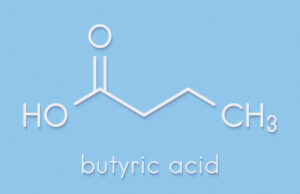
In recent years, the role of the gut microbiome in cancer care has gained increasing attention. Scientific studies have shown that the balance of intestinal bacteria plays a significant role in modulating the immune system, influencing not only cancer progression but also responses to treatment and overall recovery. Among various metabolites produced by gut bacteria, butyrate, a short-chain fatty acid (SCFA), stands out for its ability to support immune regulation and reduce inflammation in a gentle, natural way.

For many individuals recovering from cancer, restoring the balance of daily routines and overall physical health is a critical part of the healing process. Among the many aspects of recovery, “sleep quality” and “circadian rhythm balance” are common challenges faced by patients. In recent years, the potential of Melatonin in regulating these factors has garnered increasing attention from researchers and users alike.

In cancer care, the use of traditional herbs and plants has gained increasing attention. Pau d’Arco, a plant native to South America, has been used by indigenous people for the treatment of various health issues for centuries. Recently, with a renewed interest in natural therapies, Pau d’Arco has started to enter the field of cancer care research. Its unique antioxidant, anti-inflammatory, and immune-regulating properties have garnered widespread interest. This article explores the potential applications of Pau d’Arco in cancer care and presents related research findings.

In cancer recovery and supportive care, nutrition is more than just replenishing nutrients — it plays a strategic role in the body’s healing process. Tailoring the type and dosage of nutrients based on an individual’s constitution and physiological response can significantly enhance quality of life, treatment tolerance, and immune function. Studies have shown that nutritional intervention may reduce systemic inflammation and support better therapeutic outcomes .

In recent years, the integration of natural compounds into cancer care has drawn increasing attention. Among them, Black Cumin (Nigella sativa) has gained prominence due to its promising antioxidant and immune-modulating properties. Traditionally used in various healing systems, it is now being explored for its potential benefits during cancer recovery.