Related articles

Experts share their insights on different health topics and how comprehensive healthcare solutions can treat different conditions to improve patient health.

Personalized Guidance for Immunotherapy: How RGCC Testing Helps You Find the Most Suitable Plan

Immunotherapy has become a breakthrough in cancer care, enhancing the body’s natural defense system to recognize and respond to abnormal cells. However, since each patient’s immune system is unique, selecting the right immunotherapy is crucial. The RGCC Immune-Frame test offers a personalized approach, helping patients understand their immune characteristics and choose the most suitable care strategy.

Read More »

Understanding the Potential Side Effects of Cancer Immunotherapy

Cancer immunotherapy has emerged as a groundbreaking advancement in cancer care. By enhancing the body’s immune system, this approach helps recognize and target abnormal cells more effectively. While immunotherapy has provided hope to many patients, it is essential to acknowledge that it may also come with potential side effects. These effects can vary among individuals and should be carefully managed with the guidance of healthcare professionals.

Read More »

A New Era of Cancer Reassessment in Hong Kong: The Potential of RGCC Oncotrace Testing

With advancements in cancer care, patient survival rates have improved significantly. However, recurrence and metastasis remain major challenges in cancer management. In Hong Kong, the accuracy and timeliness of cancer reassessment are crucial in improving patient outcomes. Traditional imaging techniques and blood tumor markers provide valuable information but often fail to detect early signs of recurrence. The RGCC Oncotrace test, utilizing liquid biopsy technology, integrates circulating tumor cell (CTC) detection, gene expression analysis, and drug sensitivity testing. This breakthrough enables early recurrence detection and personalized reassessment strategies, marking a new era in cancer surveillance.

Read More »

Cumulative Toxicity of Heavy Metals: The Need for Simultaneous Testing of Co-habiting Family Members

In modern life, heavy metal pollution has become an increasingly significant health issue. People are likely to be exposed to toxic heavy metals such as lead, mercury, cadmium, and arsenic through daily activities such as diet, drinking water, living environments, and personal care products. Since family members share living spaces and resources, they are often exposed to similar heavy metal environments. This leads to the possibility of “synchronous accumulation” of heavy metals among family members. However, traditional testing methods typically focus on individuals and overlook the overall risk for the family as a whole. Simultaneous testing of co-habiting members can help comprehensively assess the cumulative effects of heavy metals and allow early interventions to prevent potential health issues.


Read More »

The Rising Trend of Cancer in Younger Populations: The Crucial Role of RGCC Personalized Cancer Testing

In recent years, the incidence of cancer among younger populations has been increasing at an alarming rate. More individuals in their 20s, 30s, and 40s are being diagnosed with various forms of cancer. Factors such as lifestyle changes, environmental pollution, chronic stress, and genetic predisposition are contributing to this trend. However, conventional cancer screening methods are primarily designed for older adults, leaving younger individuals without regular early detection opportunities. As a result, cancers in younger patients are often diagnosed at later stages, reducing the chances of successful intervention. RGCC personalized cancer testing offers a groundbreaking solution by detecting circulating tumor cells (CTCs) and cancer stem cells (CSCs) in the blood, allowing for early detection and providing personalized care strategies. This advanced technology is particularly valuable for younger populations, enabling proactive cancer prevention, early intervention, and tailored management plans.

Read More »

Designing Heavy Metal Detox Protocols: Differences Between Acute Exposure and Chronic Accumulation

Heavy metal exposure can be classified into acute exposure and chronic accumulation, each posing distinct health risks and requiring different detoxification approaches. Acute exposure typically results from a sudden, high-dose contact, such as ingesting contaminated food or industrial accidents. In contrast, chronic accumulation refers to long-term, low-level exposure, often through consuming contaminated food, water, or ongoing environmental contact. Effective detox protocols must be tailored to the type of exposure, individual health conditions, and metabolic capacity to ensure optimal care outcomes.

Read More »

Heavy Metal Exposure in Hong Kong’s Catering Industry: Kitchen Fume Risks

In Hong Kong, the catering industry is renowned for its distinctive cooking methods and flavors. However, the issue of kitchen fume pollution is often overlooked. Prolonged exposure to cooking fumes not only harms the respiratory system and skin but also carries the risk of heavy metal exposure. Studies have shown that high-temperature cooking of oil and food releases fine particles containing heavy metals such as lead, cadmium, and arsenic. These particles can enter the body through inhalation or skin contact, posing potential health threats. For catering workers, understanding and adopting effective protective measures is essential.

Read More »

Why Do Cancer Patients Use IMI Vitamin D Therapy?

Vitamin D, commonly known for its role in bone health, also plays a critical part in immune regulation, cellular differentiation, and inflammation control—key aspects in cancer development and progression. IMI (Intramuscular Injection) Vitamin D Therapy delivers high doses of vitamin D directly into the muscle, ensuring optimal absorption and sustained serum levels. This approach is increasingly used in integrative oncology to correct deficiency and support cancer care. This article explores the scientific rationale, clinical evidence, and therapeutic benefits of IMI Vitamin D therapy for cancer patients.

Read More »

Understanding Radiation Therapy Side Effects

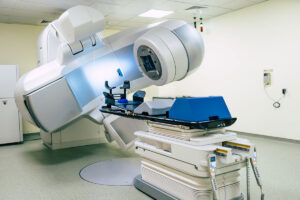
Radiation therapy is a common and effective cancer treatment that uses high-energy rays to destroy cancer cells. While it’s highly targeted, radiation can also affect surrounding healthy tissues, leading to side effects that vary depending on the area being treated, the dose, and individual sensitivity.

Read More »

Understanding Chemotherapy Side Effects

Chemotherapy is a common and effective treatment for many types of cancer. It works by targeting and destroying rapidly dividing cells—but this means it can also affect healthy cells in the process. As a result, patients may experience various side effects that impact both physical and emotional well-being.

Read More »